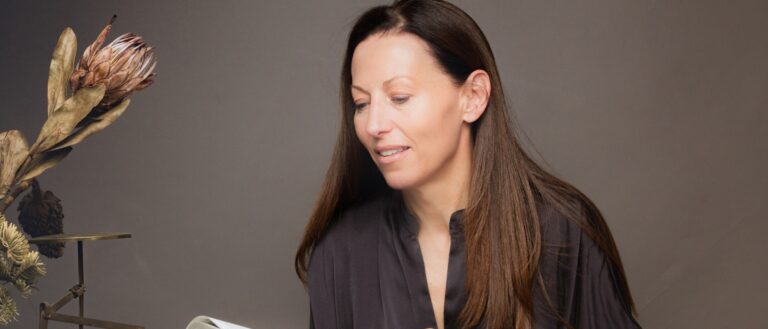
Isabel Sánchez Tejado
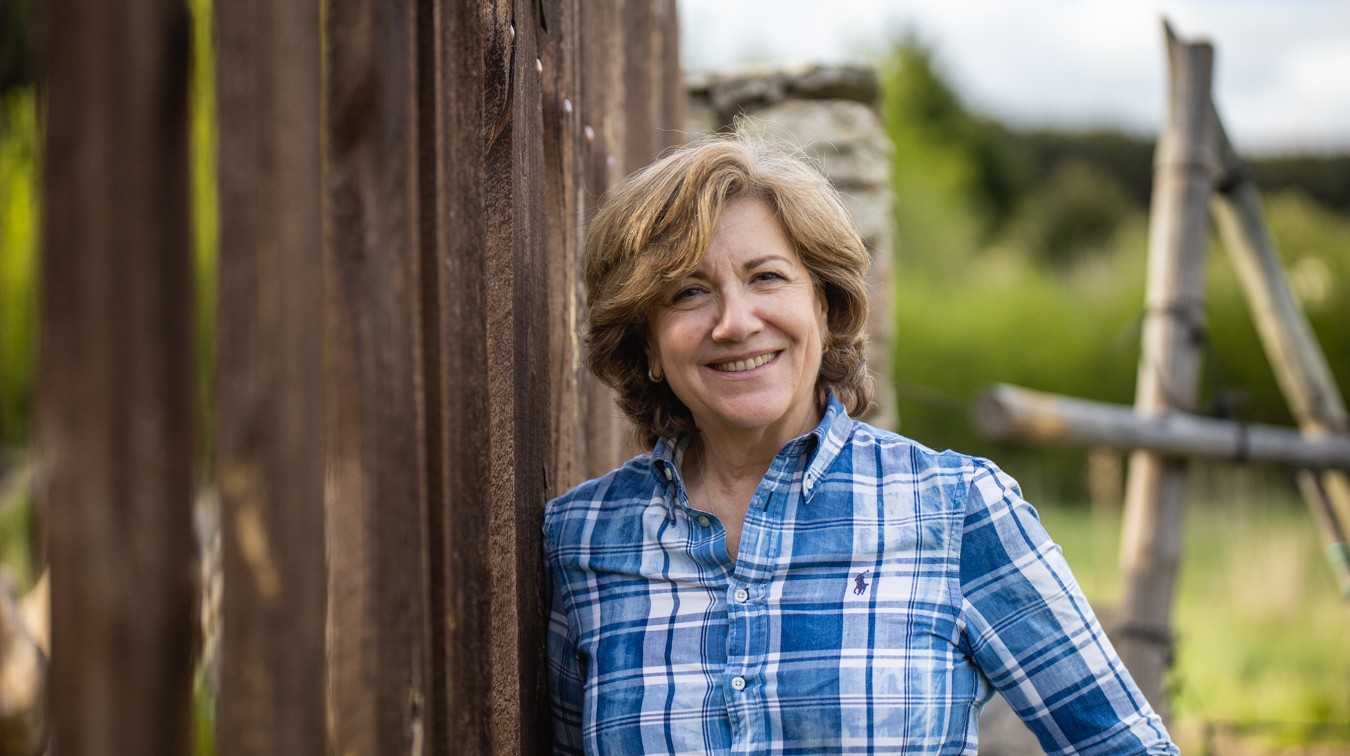
More than fifteen years ago, she traded a large city of impersonal skyscrapers and multinational corporations for a village with low houses, traditional trades, and a strong sense of identity. She surrounded herself with stone, mountains, and broom bushes, and made Gredos her home. Since then, she has focused her attention on rural areas, their people, their way of life, their natural, economic, and social resources, and on preventing their depopulation.
She set to work in a new sector for her, tourism, applying her business experience along with the conviction that not everyone who arrives in a village is prepared to face a new reality. And so, “generative tourism” was born, or in other words, a method for transforming rural areas into sustainable tourist destinations.
Today, Isabel Sánchez Tejado, founder of this and other initiatives that cultivate life in rural areas, tells us a little more about her work and her personal life:
Hello Isabel, what do you see every day when you look out the window upon waking?
I see Gredos. And I never get used to it. I've been living here for over sixteen years, and there are still days when I feel like it's "too good to be true." But above all, what I see every morning is a reminder: I'm privileged. And that also implies a responsibility. Because living in a place like this isn't just about enjoying it… It's about taking care of it.
What is generative tourism?
Generative tourism is, essentially, a way of managing a territory to transform it into a tourist destination that generates real wealth: social, economic, and environmental.
And I say generative intentionally, since rural areas may have few inhabitants, but they are full of resources. The key isn't to bring things from outside, but to activate what already exists and generate wealth.
The beautiful thing is that it works in any territory. This isn't about copying models. It's about discovering what makes a territory unique… and making it its hallmark.
What's your favorite place in the Sierra de Gredos?
It's hard to choose: Las Chorreras, Valdeascas, the Charco de la Esmeralda, the meadows of El Cuervo in spring… But there's one place that's very special to me: I call it the Mast Walk. It's a path in the Hoyos del Espino pine forest with centuries-old, towering pines whose trunks look like ship masts. When I walk there… I feel something difficult to explain. It's as if everything slows down. And that, these days, is a luxury.
What did the Repueblo initiative mean to you?
Repueblo was a turning point. On the one hand, it allowed me to look at the rural world from a different perspective: to understand that not everything revolves around tourism and that there are many more opportunities if we open our minds. And on the other hand, I met people, because when you combine talent, commitment, and a desire to do things in rural areas… very interesting things happen.
Can you tell us about the podcast you share with Rakel Sanes?
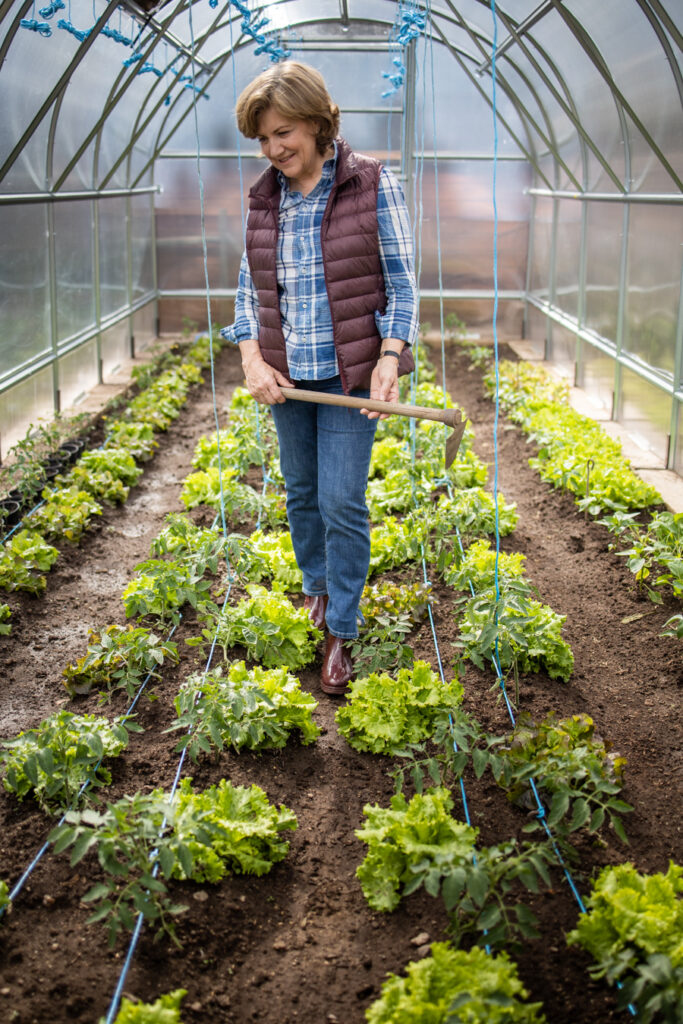
The podcast is one of those projects that isn't measured in money, but in learning. Rakel and I connected very quickly, and in 2021, we decided to create a space to give a voice to those who are building the future in rural areas.
Mundo Rural en Positivo (Rural World in a Positive Light) was born to break stereotypes. To show that the countryside isn't "the past," it's "opportunity." We interview people who inspire, who are entrepreneurs, who create. And we do it live, interacting with the community. Because we don't just want to tell stories. We want people to be part of them.
What has been your biggest challenge as a manager?
Without a doubt, getting people involved. But it's part of the process. When there's debate, even conflict, in a meeting, I know there's something important behind it: people who care.
That doesn't scare me. On the contrary. I always say it's like a relationship: when you care about someone, you want them to be better. And the same is true for rural areas.
In what processes of your work can we apply the terms “sustainable, artisanal, ecological”…?
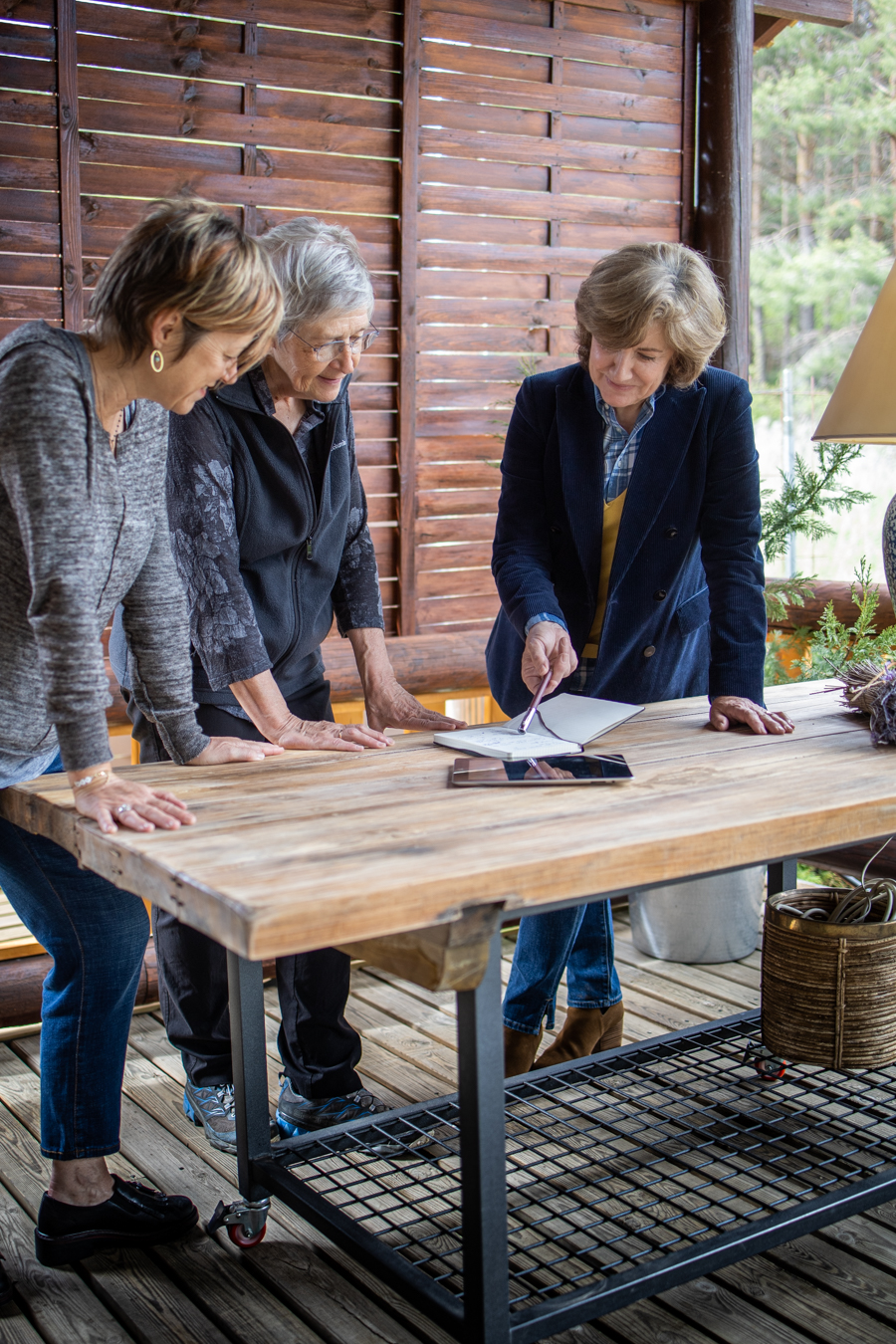
In everything, especially when we design tourism products or itineraries. That's where I put the most care. Because it's not just about showcasing landscapes, but about integrating the people: bakers, farmers, cheesemakers, artisans… That's what gives it authenticity.
And for me, artisanal isn't a label. It's a way of working: with respect, with attention to detail, with time. If we lose that… we lose what makes us unique.
Do you have any hobbies outside of your work?
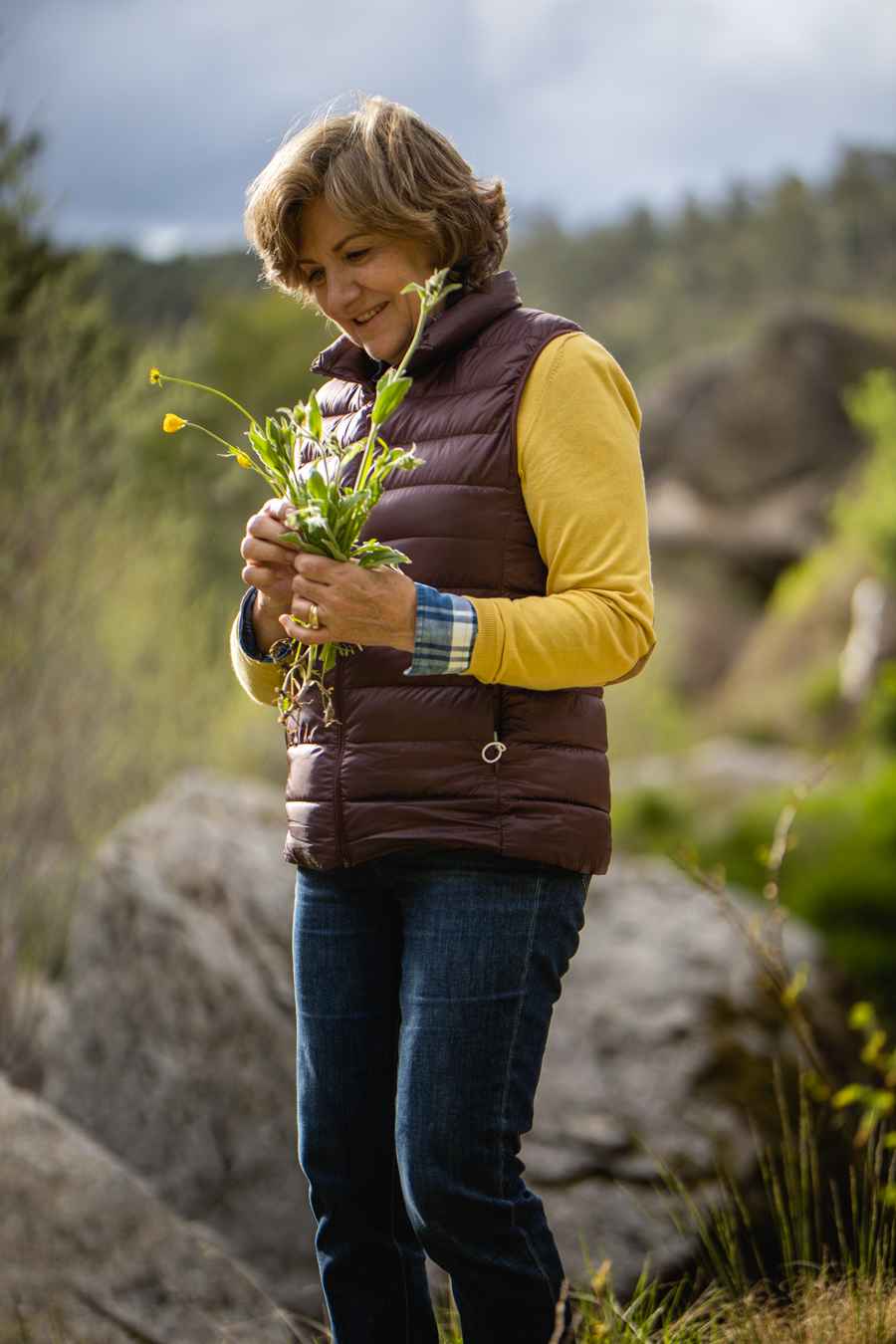
Yes, and it connects me deeply with who I am: I love floral art: making arrangements with what I have in the garden, using up pruning scraps, observing how each plant has its moment… It's almost a form of meditation for me.
Our previous guest, Sandra Blázquez, from Idea Libre, left this question for the next guest: Can you recommend any books on entrepreneurship?
I'm going to recommend one that makes you think beyond business: Man's Search for Meaning, by Viktor Frankl. It's not an easy book, but it confronts you with what's important.
Although, honestly, more than books, what has taught me the most is making mistakes. Because there's no theory there. There's real learning.
Which historical figure would you like to take a walk with while you chat, and in what rural setting or village?
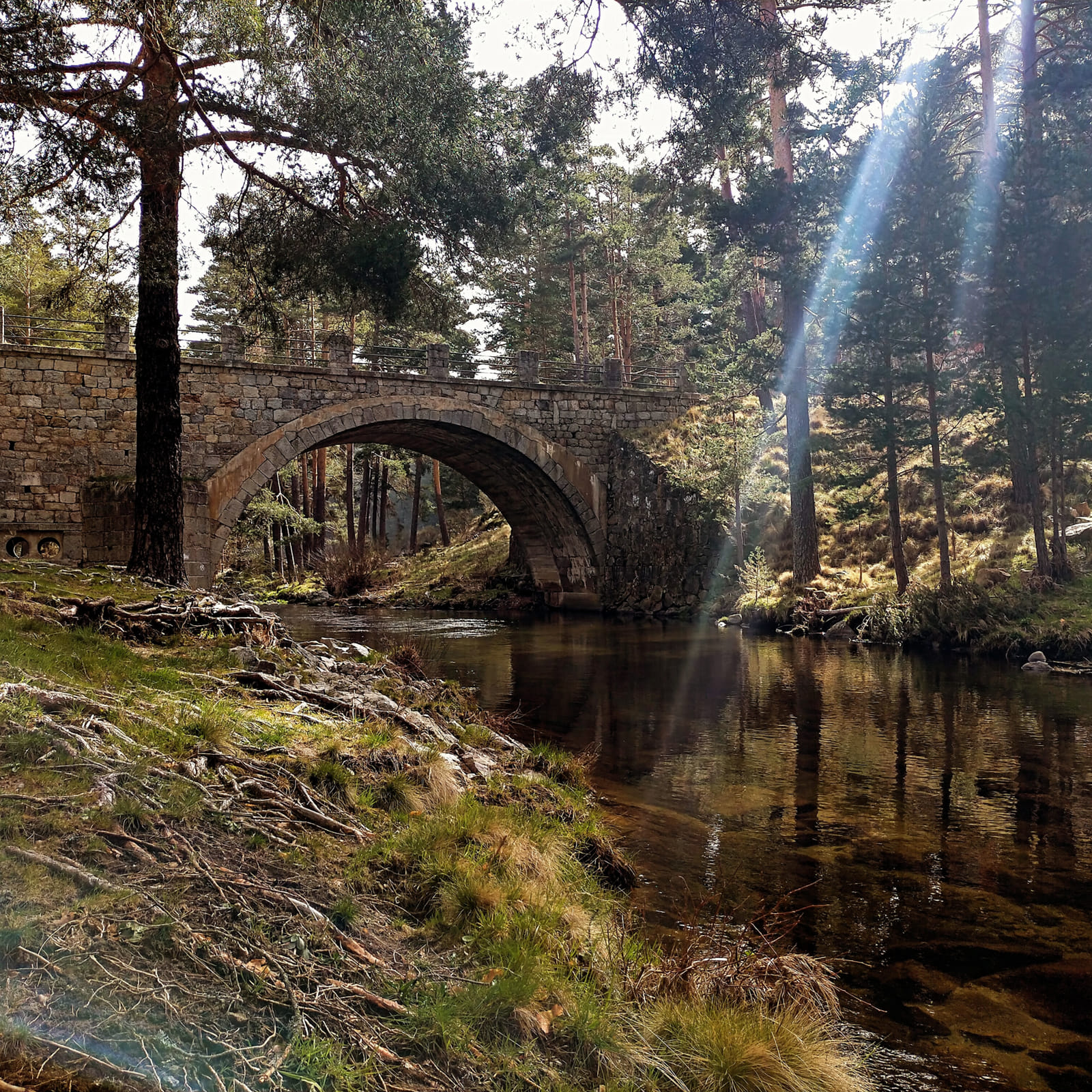
Con mi paisana Isabel I de Castilla por La Moraña, concretamente en su lugar de nacimiento, Madrigal de las Altas Torres. La admiro mucho y me fascina entender cómo se toman decisiones en momentos históricos tan complejos. Me interesaría saber cómo gestionó la responsabilidad de gobernar y de abrir un mundo nuevo.
How do you think the relationship between rural areas and public administrations is today, and how do you see it in a few years?
I think there's room for improvement, especially in preparing to address the real challenges of the region. There's good intention, but often a lack of practical knowledge. And above all, there's a lack of coordination. The future depends on better connectivity: government, businesses, and the community. Because if we don't work together… there's no possible solution.
What question would you leave for the next guest?
What would you do even if you weren't paid? (That thing you'd do no matter what… probably says much more about you than any resume.)