Green Label or Grandma’s Recipe?”
In Spain, eating has never been just about nourishment. It’s a social act, a family ritual, and, in recent years, a small ideological battleground. In one corner of the ring, the “supposedly” healthy: clean labels, green seals, short ingredient lists, the ever-vigilant Nutri-Score, and words like “protein”, “fiber”, or “no added sugar” printed in friendly type. In the other, the “artisanal”: cheeses that smell of caves, cured meats with long names, breads that don’t understand haste, and sweets that haven’t heard of the hypoglycemic index, but certainly understand patience.
The dichotomy isn’t new, but it’s currently experiencing a moment of particular intensity. We’ve never had so much information (and misinformation) about what we eat… nor so many doubts. We know that ultra-processed foods aren’t a good idea, that the Mediterranean diet remains a global benchmark, and that excess is never a good companion. However, we also suspect something is amiss when a "fitness" cookie tastes like optimistic cardboard, and an artisan chorizo seems guilty before it even reaches the plate.
The problem isn't so much the food itself as the narrative. Healthy eating has become an aesthetic: white, green, or beige packaging, minimalist photography, and an almost spiritual language. Eating well is, apparently, eating light, clean, and somewhat bland. In contrast, artisan food retains an aura of romantic excess: fat, slow cooking, expert hands, and a tradition that makes no apologies. In Spain, a land of wise grandmothers and honest bars, this tension is felt with particular intensity.
Let's reflect on this. If you don't consume extra virgin olive oil, coconut oil, avocado, cinnamon, turmeric and oregano, organic beef, chicken and eggs, acorn-fed Iberian ham, bone broth, resistant starch, small wild fish, fruits, mushrooms, vegetables, and legumes, ghee, and chocolate with more than 72% pure cocoa, you can't call yourself truly healthy. On the other hand, if traditional, home-style recipes don't include sugar, alcohol, bread, saturated fats, refined flours, vegetable oils, fried, marinated, smoked, or canned ingredients, they're not authentic or traditional. Purists, that's how it should be.
The truth is, "traditional" dates back to the beginning of the last century, when our grandmothers were young; there were no fish farms, no antibiotics for animals, and no herbicides in the gardens; wheat was of the highest quality; nothing was processed or packaged in plastic, and everything was organic.
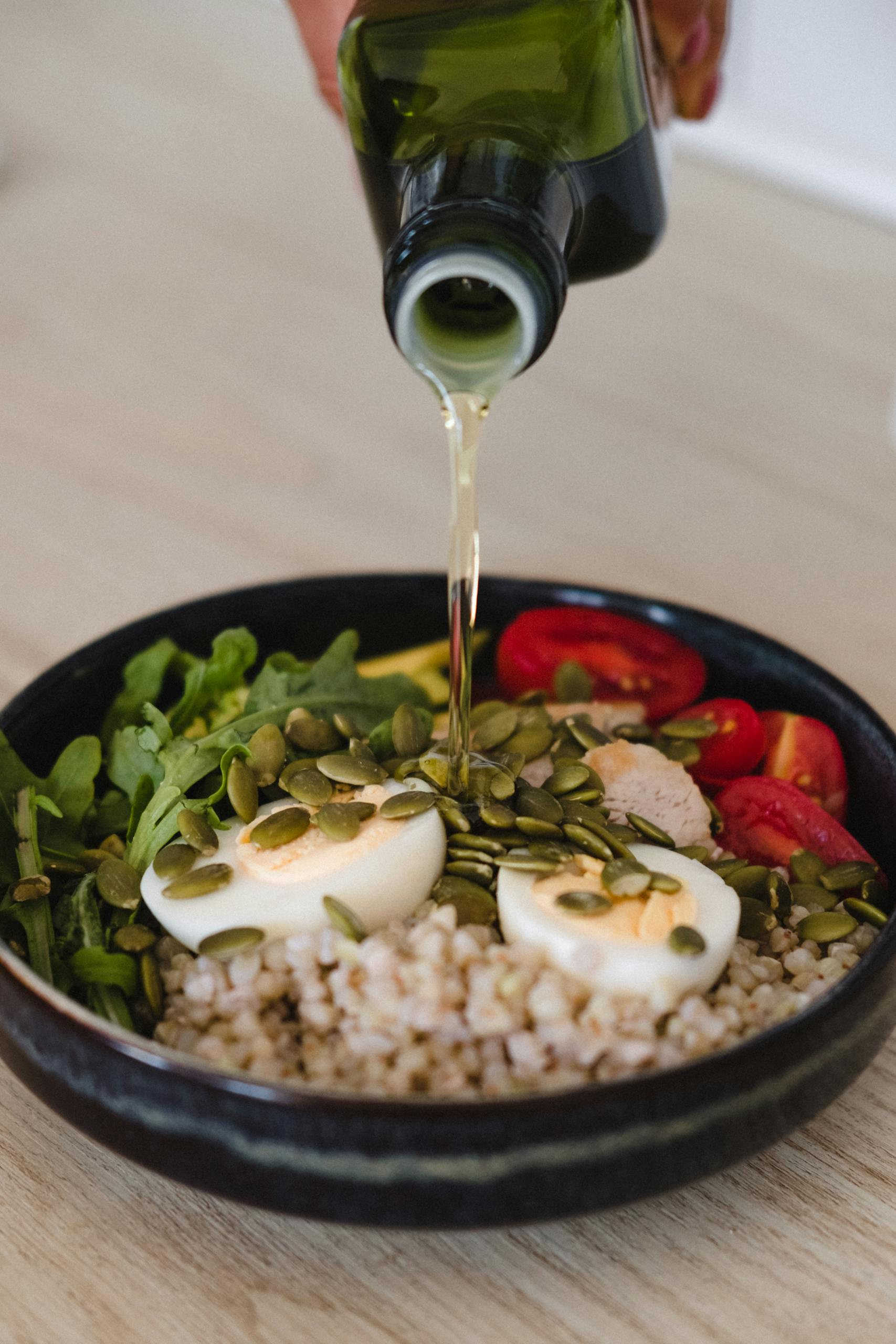
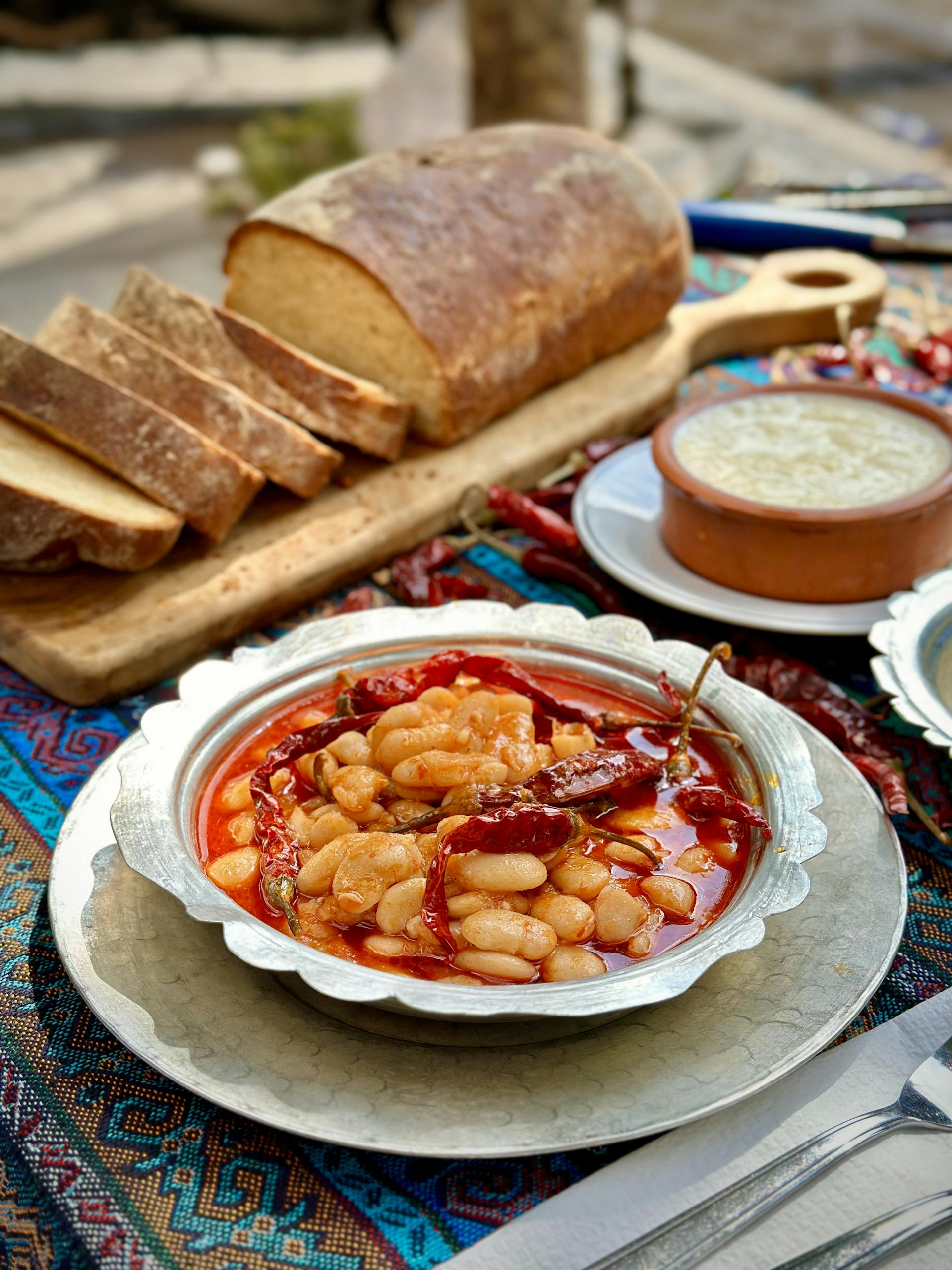
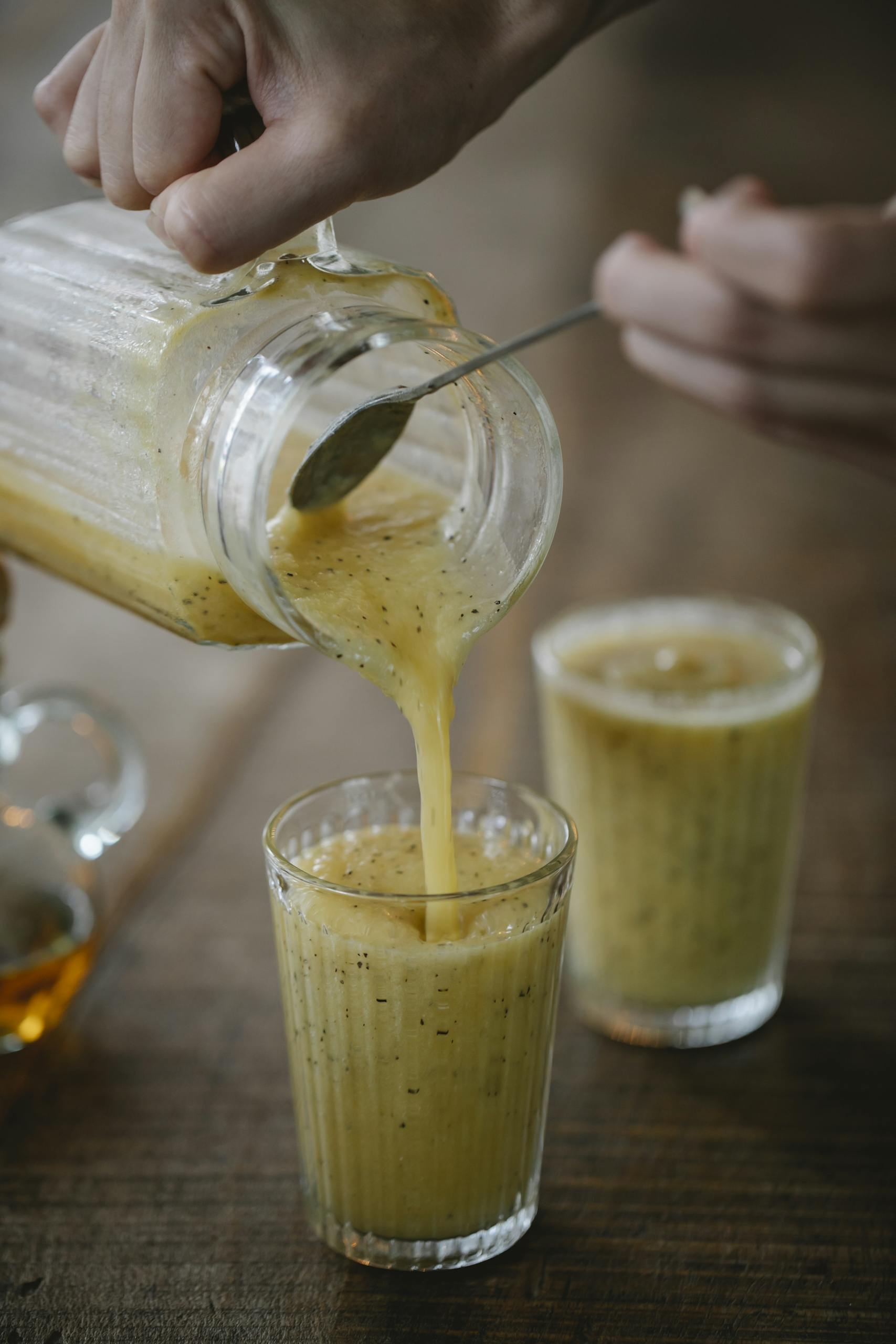
When culinary craftsmanship respects time, ingredients, and processes, the line between healthy and traditional becomes blurred. And when someone now understands that the fat in an avocado is better for their gut microbiota and brain than the fat in a fritter, that also becomes clearer.
But it's not always that simple. Some traditional products were made to last, not to be light. Cured meats, nougat, hearty stews, and convent pastries weren't designed with cholesterol or inflammatory bowel diseases in mind, but rather with flavor, preservation, and celebration in mind. To expect them to be "light" is as absurd as asking a jota to be sung in whispers. The key, now more than ever, lies in context and moderation.
The nutritional science confirms it: it's not about demonizing foods, but about understanding patterns. A good artisanal sausage, consumed occasionally and as part of a diet rich in vegetables, legumes, and olive oil, is not the enemy. In fact, the real problem usually lies in industrial products that imitate traditional foods without their quality or honesty, but with impeccable marketing and an endless list of additives.
Herein lies the unintentional humor of our time: a mass-produced "country" fuet sausage, versus a "vegan" fabada that has never seen a whole bean in its life. Spain, an expert in contradictions, watches this coexistence with amusement—and a touch of confusion. We want to take care of ourselves, yes, but we also want to enjoy ourselves. And we know, deep down, that eating is more than just adding or subtracting calories.
Perhaps reconciliation lies in looking back to our origins. Authentic craftsmanship is not synonymous with irresponsible excess, but with accumulated knowledge. And healthy eating shouldn't be an imported trend, but a sensible adaptation of our own culinary culture. When we understand that, the dichotomy becomes a dialogue.
In the end, between the green label and grandma's personal touch, Spain usually chooses both. Because it knows that true modernity isn't about giving up who we are, but about learning to enjoy it better. And with that said, let everyone eat what they like, using common sense and always listening to their body.
– Enter the glù bubble and discover more articles like this one -